Machines don’t know when someone is repairing them. A conveyor belt doesn’t care if a technician’s arm is inside its drive system. That’s why lockout tagout exists—to ensure equipment is truly off and cannot restart while maintenance or servicing is underway.
At its core, lockout tagout (LOTO) is a safety procedure used to disable machinery or equipment and prevent the unexpected startup or release of hazardous energy. The term combines two actions: lockout, which physically locks energy-isolating devices, and tagout, which places warning tags on equipment to alert others.
While the definition sounds simple, the implications of getting it wrong are severe. According to OSHA, failure to control hazardous energy accounts for nearly 10% of serious accidents in manufacturing. That’s why LOTO isn't just a best practice—it's a legal requirement in many industries.
The Core Definition of Lockout Tagout
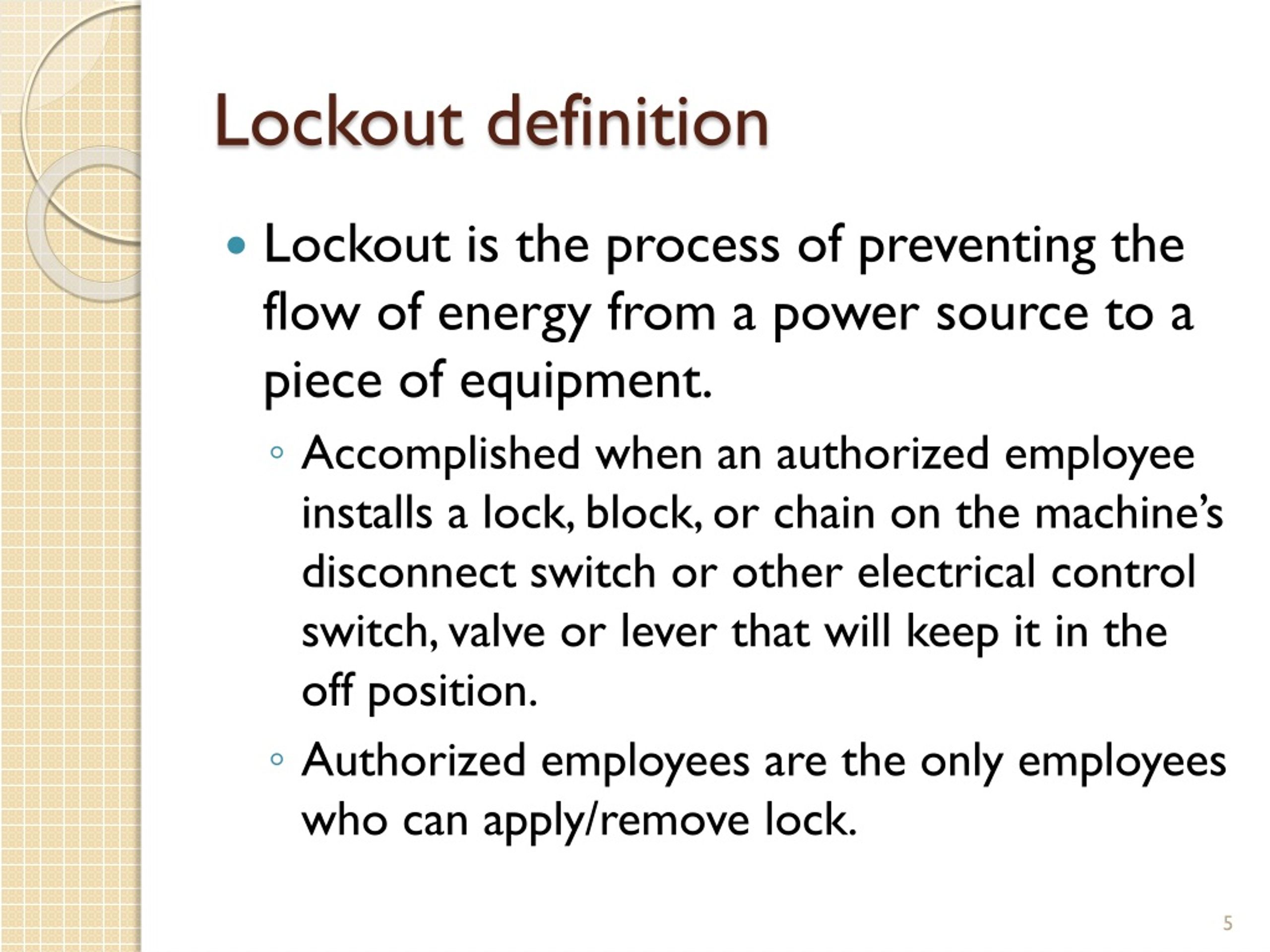
Lockout tagout is the systematic process of de-energizing equipment, locking energy-isolating devices (like circuit breakers or valves), and tagging them to prevent accidental re-energization. The official OSHA standard (29 CFR 1910.147) defines it as:
“The placement of a lockout device on an energy-isolating device in accordance with an established procedure, ensuring that the energy-isolating device and the equipment being controlled cannot be operated until the lockout device is removed.”
- This definition hinges on three key elements:
- Control of hazardous energy – including electrical, mechanical, hydraulic, pneumatic, chemical, or thermal sources.
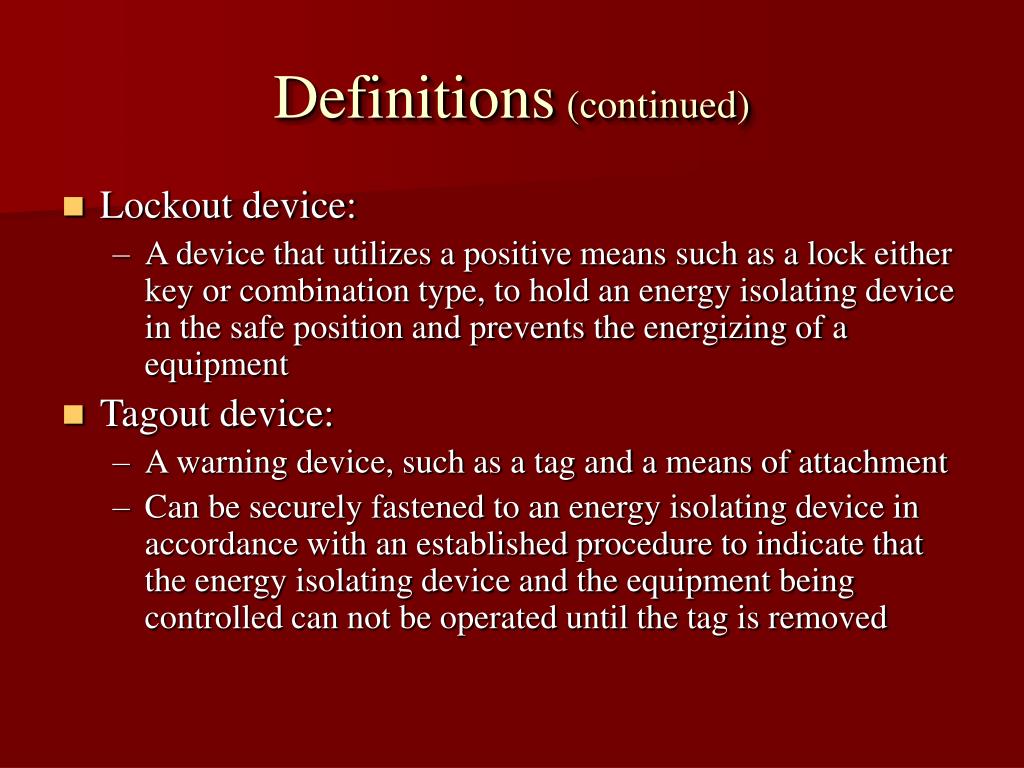
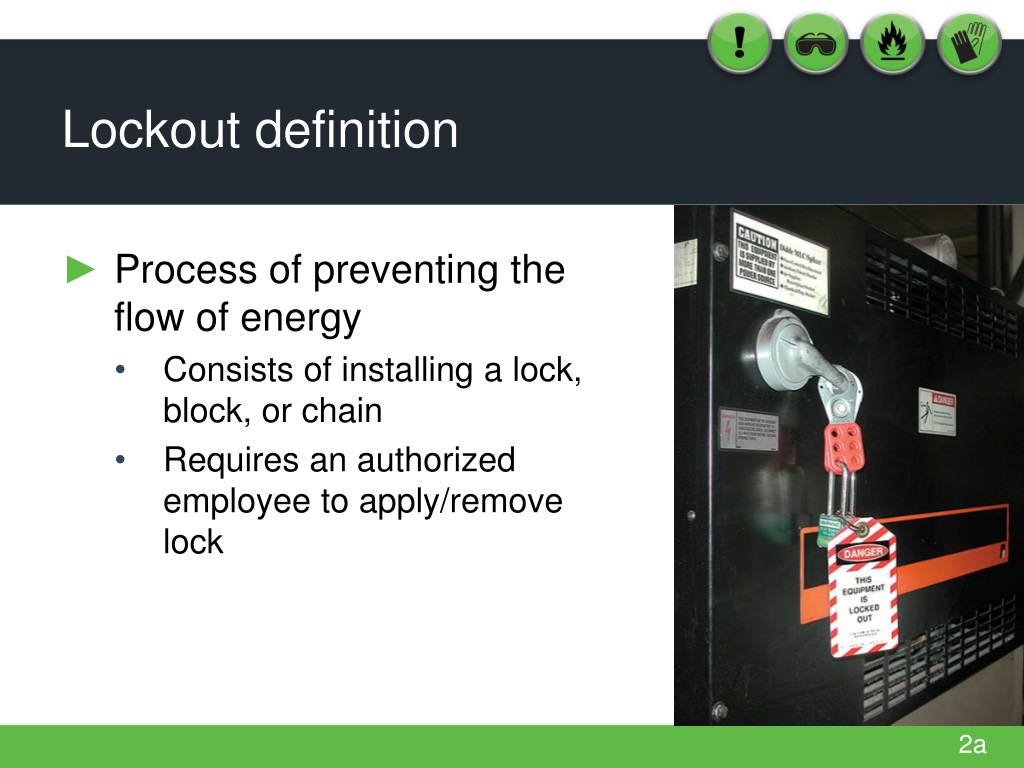
- Use of a lock – a physical device that holds an energy-isolating mechanism in a safe position.
- Use of a tag – a warning label that identifies who locked the device, when, and why.
LOTO is not just about slapping a tag on a switch. It’s a documented, repeatable process involving authorized employees trained to recognize energy sources and follow strict steps.
How Lockout Tagout Works in Practice
Imagine a maintenance technician needs to replace a motor on a production line. Without LOTO, turning off the machine at the control panel isn’t enough—residual energy in capacitors, pressurized lines, or gravity-fed systems can still cause injury.
Here’s how a proper LOTO procedure unfolds:
- Preparation – Identify all energy sources powering the equipment.
- Notification – Inform all affected employees that maintenance is about to begin.
- Shutdown – Turn off the machine using normal stopping procedures.
- Isolation – Disconnect or block all energy sources (e.g., flip breakers, close valves).
- Application of Locks and Tags – Each authorized employee applies their personal lock and tag.
- Release of Stored Energy – Bleed pressure, drain fluids, block moving parts.
- Verification – Attempt to restart the machine (from a safe distance) to confirm zero energy.
Only after all these steps is it safe to begin work.
Once maintenance is complete, the reverse process applies: ensure tools are removed, guards are replaced, employees are clear, and only the person who applied the lock removes it.
Common Mistakes That Undermine LOTO Effectiveness
Even workplaces with formal LOTO programs often make critical errors:
- Group Lockout Confusion – Multiple technicians working on one machine may use a single lock, violating the “one person, one lock” principle.
- Tags Without Locks – In environments where locks can’t be used (e.g., incompatible hardware), relying solely on tags is a major risk. Tags can be ignored; locks physically prevent operation.
- Failure to Isolate All Energy Sources – Overlooking hydraulic accumulators or spring tension leads to unexpected movement.
- Using Personal Locks for Others – A supervisor shouldn’t "cover" for a technician by applying a lock on their behalf. Each employee must be accountable.
- Skipping Verification – Assuming the machine is dead without testing it is a recipe for disaster.
One real-world example: In 2022, a worker at a paper mill was fatally crushed when a roller restarted during cleaning. The investigation found the energy source wasn’t isolated, and no lockout device had been used—only a tag, which was ignored by another employee resetting the system.
When Tagout Alone Is Allowed (And Why It’s Risky)
OSHA permits tagout-only procedures only if the employer can prove the tag provides full employee protection equivalent to a lock. This is rare.
Tagout systems rely on human compliance. A bright red tag saying “Do Not Operate” might stop one worker but not another under deadline pressure. Without a physical barrier, the risk of accidental or intentional re-energization remains high.
In most cases, locks are required. Tags serve as secondary warnings—not standalone protections.
Industries Where LOTO Is Non-Negotiable
While LOTO applies broadly, it’s most critical in high-risk environments:
- Manufacturing – Assembly lines, robotic arms, stamping presses
- Energy and Utilities – Power plants, substations, turbines
- Construction – Cranes, hoists, generators
- Healthcare – Medical equipment maintenance (e.g., imaging machines)
- Food Processing – Mixers, slicers, conveyors with moving parts
In each, failure to implement LOTO leads to amputations, electrocutions, or fatalities. For example, a meatpacking plant worker once lost an arm when a conveyor restarted during blade replacement—no lockout procedure was followed.
Key Components of a Compliant LOTO Program
A strong LOTO program isn’t just about locks and tags. It includes:
- Written Procedures – Step-by-step instructions for each piece of equipment.
- Authorized vs. Affected Employees – Only trained, authorized staff can apply locks; affected workers (e.g., machine operators) must be trained to recognize and respect LOTO.
- Periodic Inspections – Annual audits of LOTO procedures, including witness testing.
- Proper Equipment – Lockout hasps, valve locks, circuit breaker locks, and standardized tags.
- Training and Retraining – Initial and refresher training when procedures change.
One often-overlooked component: energy control procedure documentation. Each machine should have a specific LOTO checklist detailing where locks go, what energy sources exist, and how to verify isolation.
Real-World Use Cases and Scenarios
Case 1: Conveyor Belt Maintenance A technician shuts down a conveyor, turns off the main disconnect, applies a lock, tags it, and verifies no movement. While replacing a roller, another worker tries to restart the line. The lock prevents energizing the motor—potential injury avoided.
Case 2: Boiler Servicing A plant engineer prepares to open a boiler. After shutting off fuel and power, they lock the gas valve and electrical panel. They drain residual pressure and confirm no steam remains. A tag explains the work in progress and includes contact details.
Case 3: Temporary Cleaning Task A janitor needs to clean inside a mixing tank. Even though they’re not making mechanical repairs, LOTO still applies—any time a worker enters a danger zone, energy must be controlled.
These aren’t edge cases. They’re daily operations where LOTO makes the difference between routine work and a trip to the emergency room.
Limitations and Challenges of LOTO
Despite its effectiveness, LOTO has limitations:
- Complex Machinery – Modern equipment may have multiple energy sources scattered across systems, making isolation difficult.
- Shift Handovers – If a lock is left on during shift change, the incoming worker might not know who applied it or why. OSHA allows “shift change lockout” procedures, but they require strict protocols.
- Temporary Repairs – Some workers bypass LOTO for quick fixes, creating dangerous shortcuts.
- Human Error – Fatigue, distraction, or production pressure can lead to skipped steps.
Technology is helping. Smart lockout systems with digital logs, RFID tags, and mobile verification are emerging—but they don’t replace the fundamentals.
How to Build a LOTO Procedure From Scratch
Creating a LOTO program starts with assessment:
- Inventory Equipment – List all machines requiring servicing.
- Identify Energy Sources – For each, document electrical, mechanical, hydraulic, etc., inputs.
- Determine Isolation Points – Where can energy be cut (breakers, valves, disconnects)?
- Write Step-by-Step Procedures – Include shutdown, isolation, lock application, stored energy release, and verification.
- Train Employees – Conduct hands-on drills and written assessments.
- Audit Annually – Observe real employees performing LOTO and correct deviations.
Templates help, but every procedure must be equipment-specific. A generic LOTO form for “all machines” won’t cut it under OSHA scrutiny.
Final Thoughts: LOTO Is Safety You Can Touch
Lockout tagout isn’t abstract theory. It’s a metal lock on a breaker, a handwritten tag, and a technician double-checking that the machine won’t start.
The definition of lockout tagout may sound technical, but its purpose is human: to protect people from invisible dangers. Whether you’re managing a factory or repairing a pump, LOTO is the difference between control and chaos.
Implement it rigorously. Train without compromise. And never let urgency override procedure—because no deadline is worth a life.
Frequently Asked Questions
What is the main goal of lockout tagout? The primary goal is to prevent the unexpected release of hazardous energy during maintenance, protecting workers from injury or death.
Who is responsible for applying lockout devices? Only authorized employees—those trained in energy control procedures—can apply, use, and remove lockout devices.
Can you use tagout instead of lockout? Only if it provides equivalent protection. OSHA allows tagout-only when energy-isolating devices can’t be locked, but locks are preferred.
What types of energy must be controlled under LOTO? Electrical, mechanical, hydraulic, pneumatic, chemical, thermal, and gravitational energy—all must be isolated.
How often should LOTO procedures be reviewed? At least annually, with documented inspections that include observation of employee performance.
Is LOTO required for corded equipment? Yes, if the plug is within reach and under the exclusive control of the worker, unplugging and locking the plug may suffice.
Can multiple people work on the same machine under LOTO? Yes, using a group lockout box. Each authorized worker applies their personal lock to the isolation point.
FAQ
What should you look for in What Is Lockout Tagout and Why It Matters? Focus on relevance, practical value, and how well the solution matches real user intent.
Is What Is Lockout Tagout and Why
It Matters suitable for beginners? That depends on the workflow, but a clear step-by-step approach usually makes it easier to start.
How do you compare options around What Is Lockout Tagout and Why It Matters? Compare features, trust signals, limitations, pricing, and ease of implementation.
What mistakes should you avoid? Avoid generic choices, weak validation, and decisions based only on marketing claims.
What is the next best step? Shortlist the most relevant options, validate them quickly, and refine from real-world results.