Most toolbox talks fail before they start. Workers zone out. Supervisors read from a script. Safety becomes a box to tick, not a behavior to build. The issue isn’t the concept—it’s the content. Generic “slips and falls” talks get ignored because they lack relevance. When daily toolbox talk topics miss the mark, safety erodes fast.
The best talks are timely, specific, and actionable. They connect to what crews are doing today—not a one-size-fits-all template from corporate. High-impact toolbox talks address real hazards on real jobsites, spark discussion, and drive safer decisions in the field.
This guide cuts through the noise. You’ll get targeted, ready-to-use daily toolbox talk topics, practical delivery tips, and real-world examples that keep teams engaged and informed.
Why Most Toolbox Talks Fail (And How to Fix It)
Too many safety meetings fall into the same traps:
- Vague topics – “General safety” tells workers nothing.
- Zero connection to the job – Talking about crane safety on a day with no crane work? Skip it.
- One-way delivery – A supervisor lecturing for 10 minutes isn’t a talk. It’s a monologue.
- No follow-up – No action items, no accountability, no documentation.
Fixing this starts with selecting the right daily toolbox talk topics—ones grounded in what’s actually happening on site today. A talk about ladder use during roof work? That’s relevant. A canned “electrical safety” speech when the electricians aren’t on site? That’s noise.
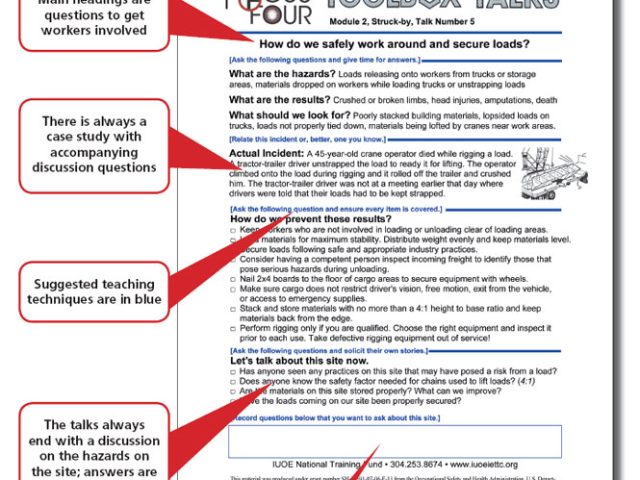
Make every talk specific, visual, and participatory. Ask questions. Use real examples from yesterday’s near-miss. Bring in a piece of faulty PPE to show. The goal isn’t compliance—it’s conversation.
High-Impact Daily Toolbox Talk Topics (With Examples)
Below are 10 practical, high-value daily toolbox talk topics that work across industries—from construction to manufacturing to field services.
1. Proper Ladder Use on Uneven Ground Relevance: Falls from ladders are a leading cause of injury. Example: Yesterday, a crew member placed an extension ladder on soft soil without stabilizers. It shifted during ascent. Talking Points: - Always inspect ladders before use - Use levelers or leg extensions on uneven surfaces - Maintain three points of contact - Secure top and bottom when possible
Action Item: Spot-check ladder setups today. Correct unsafe placements immediately.
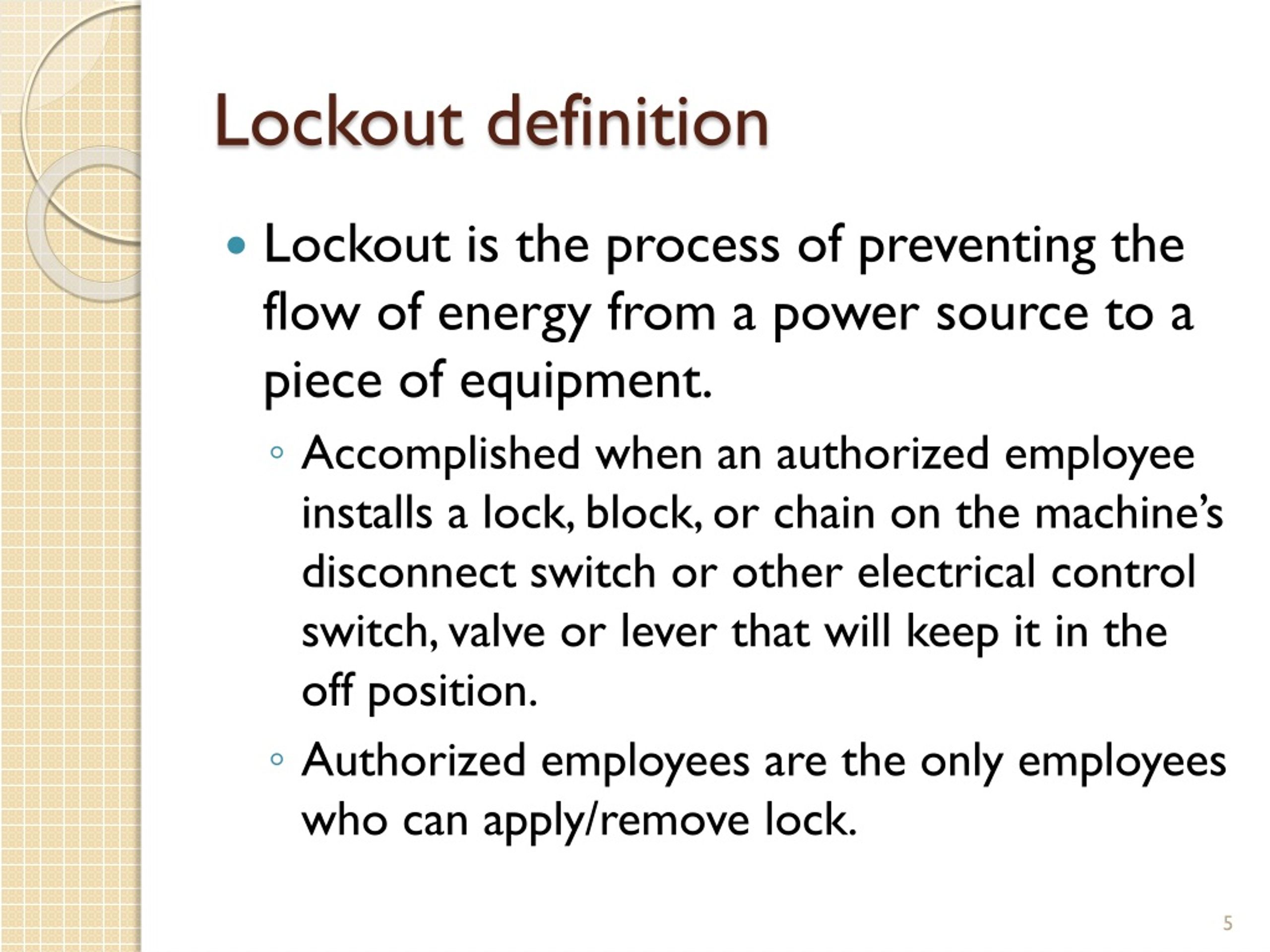
2. Hand Safety During Equipment Maintenance Relevance: Pinch points and rotating parts cause severe hand injuries. Example: A mechanic bypassed a guard to “quickly” adjust a conveyor. Talking Points: - Lockout/Tagout (LOTO) is non-negotiable - Never reach into moving machinery - Use tools—not hands—for adjustments
Action Item: Review LOTO procedures for scheduled maintenance today.
3. Weather-Related Hazards (Heat, Rain, Wind) Relevance: Environmental conditions change daily. Workers must adapt. Example: High heat index yesterday; one worker showed signs of heat stress. Talking Points: - Monitor heat index and hydration - Adjust work/rest cycles accordingly - Secure tools and materials in high winds
Action Item: Assign a weather check at start of shift. Adjust work plans if needed.

4. Working at Height with Fall Protection Relevance: Falls remain a top killer in construction. Example: A worker was spotted near an open edge without a harness. Talking Points: - Harnesses must be worn and anchored when 6+ feet up - Inspect fall protection gear daily - Use guardrails or safety nets when possible
Action Item: Conduct a quick fall protection audit on elevated work areas.
5. Safe Use of Hand and Power Tools Relevance: Daily use increases risk of misuse or complacency. Example: A frayed power cord was used on a grinder—no one reported it. Talking Points: - Inspect cords, guards, and switches before use - Use correct PPE (gloves, eye protection) - Never carry tools by the cord or hose
Action Item: Tag and remove any defective tools found today.
6. Hazard Communication (Chemical Safety) Relevance:
Many crews handle cleaners, adhesives, or fuels daily. Example: A crew mixed chemicals without checking SDS—created toxic fumes. Talking Points: - Know the SDS for every chemical on site - Use proper ventilation and PPE - Never mix chemicals unless specified
Action Item: Confirm SDS access and review one chemical in use today.
7. Excavation and Trenching Safety Relevance: Cave-ins are fast and fatal. Example: A trench was dug deeper than 5 feet without shoring. Talking Points: - Trenches 5+ feet deep require protective systems - Daily inspections by a competent person - Keep spoil piles at least 2 feet from edge
Action Item: Stop work if trench safety isn’t confirmed.
8. Forklift and Material Handling Safety Relevance: Forklifts cause fatalities due to blind spots and speed. Example: A forklift operator drove too fast in a congested zone. Talking Points: - Operators must be trained and certified - Use horns at intersections - Pedestrians must maintain safe distance
Action Item: Define pedestrian walkways and enforce speed limits.
9. Electrical Safety in Wet Conditions Relevance: Water dramatically increases electrocution risk. Example: Extension cords were left on wet ground near a pump. Talking Points: - Use GFCI protection on all outdoor circuits - Keep connections off the ground and covered - Inspect for damaged insulation before use
Action Item: Walk the site and fix electrical hazards before work starts.
10. Emergency Response Readiness Relevance: Seconds matter in a real emergency. Example: A first aid kit was empty; no one knew the evacuation route. Talking Points: - Confirm first aid kit contents daily - Review site-specific emergency plan - Know nearest AED and fire extinguisher location
Action Item: Do a 2-minute emergency drill: “If someone collapsed, who calls 911?”
How to Deliver a Toolbox Talk That Sticks
Even the best topic falls flat without effective delivery. Follow this proven workflow:
- Prep the Night Before
- - Review the day’s tasks and hazards
- - Choose a talk that matches the work
- - Gather visuals (a photo, damaged tool, PPE sample)
- Start with a Real Incident
- Begin with “Yesterday, we almost had a close call when…” or “Last week, Site B had a fatality due to…” This grabs attention.
- Engage, Don’t Lecture
- Ask:
- - “Have you seen this happen?”
- - “What would you do differently?”
- - “Where do you see this risk today?”

- Keep It Under 10 Minutes
- Focus on one hazard. One solution. One action.
- Document and Follow Up
- Sign-in sheets aren’t enough. Note:
- - Who attended
- - What hazard was discussed
- - What corrective action was taken
Then verify it later in the day.
Common Mistakes to Avoid
- Repeating the same topics weekly – Rotate and refresh based on real risk.
- Using jargon – Say “pinch point” but also show an example.
- Ignoring near-misses – They’re free lessons. Use them.
- No supervisor buy-in – If the boss doesn’t take it seriously, neither will the crew.
- One size fits all – A talk for roofers won’t help the warehouse team.
Tailor every session. Rotate facilitators. Let experienced workers lead sometimes—it builds ownership.
Integrating Toolbox Talks Into Daily Workflow
Make safety part of the rhythm, not an interruption.
Best Practices: - Hold talks at shift start, in the work zone - Use a rotating topic calendar (weekly themes: Fall Protection, LOTO, etc.) - Link topics to permit-to-work systems or JSA reviews - Share weekly safety takeaways in team briefings
Example: On “Lockout/Tagout Wednesdays,” every crew discusses an energy isolation task they’ll perform that day. The talk becomes a live safety check.
Tools like digital sign-in apps or safety management platforms can help track attendance and topics. But the content must still be human, relevant, and real.
How to Measure Effectiveness
You’re doing it right if: - Crews bring up safety concerns unprompted - Near-misses are reported more frequently - PPE compliance improves - Safety observations increase
Track these metrics monthly. Review which topics led to behavior change. Drop the ones that don’t land.
Also, ask workers directly: “What toolbox talk actually helped you this week?” Their answers will guide your future topics better than any template.
Final Thoughts: Make Safety Conversational, Not Compliance-Driven
Daily toolbox talk topics work when they’re treated as real conversations—not compliance theater. The best safety cultures don’t just talk about risk. They question it, challenge it, and adapt because of it.
Start tomorrow with a focused, relevant topic. Use a real example. Ask for input. Assign a simple action. Follow up.
Do that consistently, and you won’t just check a box. You’ll build a team that thinks safer—every single day.
FAQ
What should be included in a daily toolbox talk? A clear hazard, real-world example, safety protocol, team discussion, and one actionable step.
How long should a toolbox talk last? Ideally 5–10 minutes. Focus on one topic and keep it interactive.
Who should lead a toolbox talk? Supervisors, safety officers, or trained crew members—anyone with relevant knowledge.
Can toolbox talks reduce accidents? Yes, when they’re relevant and actionable. Studies show consistent safety talks improve hazard awareness and reporting.
Should toolbox talks be documented? Yes. Record attendance, topic, and any actions taken for accountability and audits.
How often should toolbox talks be held? Daily, before work begins, especially on high-risk job sites.
Can toolbox talks be done remotely? Yes, for field teams or remote workers, use video calls or messaging apps to deliver brief safety checks.
FAQ
What should you look for in Daily Toolbox Talk Topics for Smarter Safety Conversations? Focus on relevance, practical value, and how well the solution matches real user intent.
Is Daily Toolbox Talk Topics for Smarter Safety Conversations suitable for beginners? That depends on the workflow, but a clear step-by-step approach usually makes it easier to start.
How do you compare options around Daily Toolbox Talk Topics for Smarter Safety Conversations? Compare features, trust signals, limitations, pricing, and ease of implementation.
What mistakes should you avoid? Avoid generic choices, weak validation, and decisions based only on marketing claims.
What is the next best step? Shortlist the most relevant options, validate them quickly, and refine from real-world results.